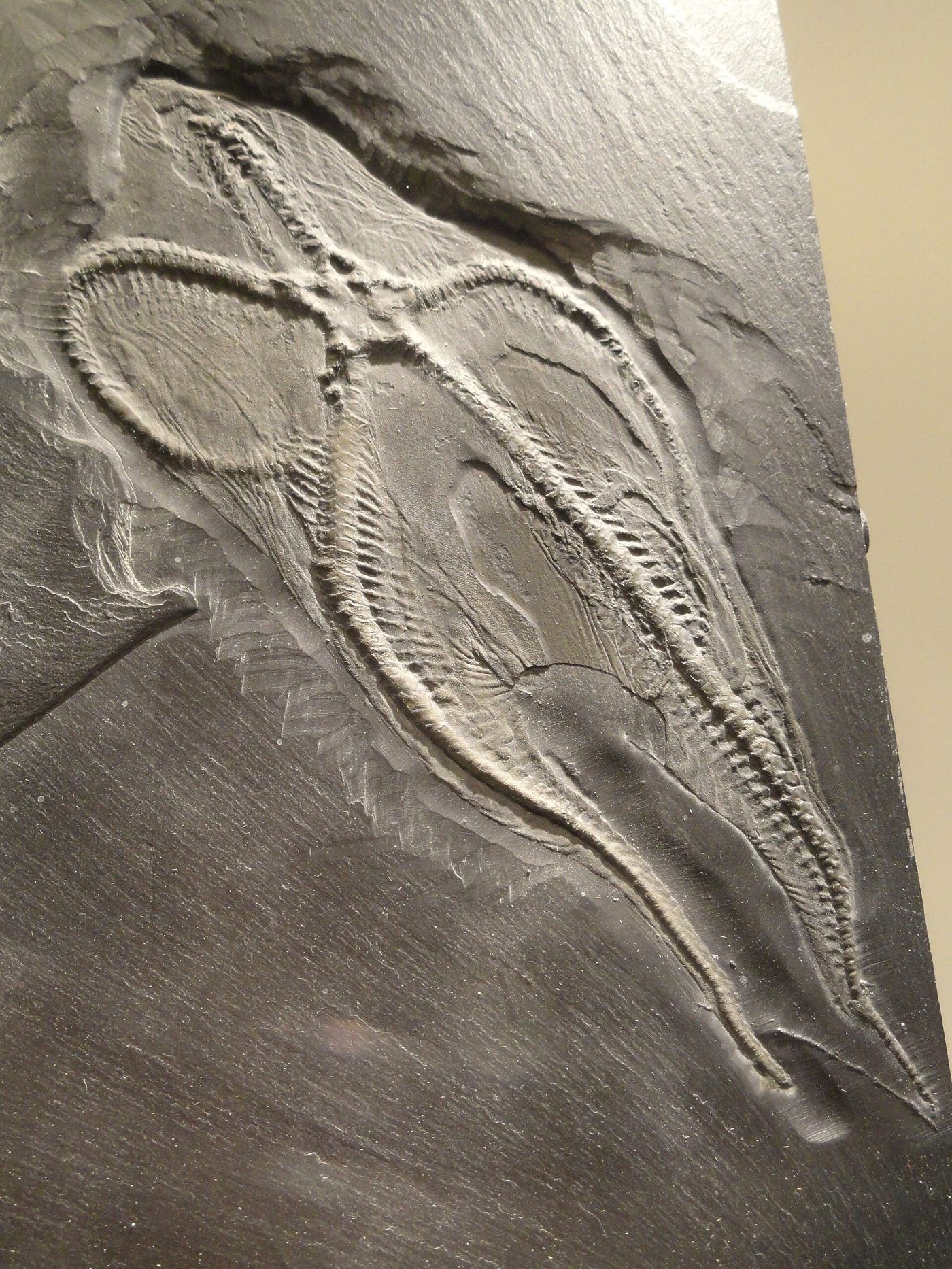
Tiny fossils found beside whale bones in southern Denmark show that brittle stars gathered around dead whales 9.5 million years ago, far earlier than scientists had realised. Researchers reported on 3 November 2026 that they had identified a new species of brittle star, Ophiura huebnerjenseni, from the Gram Clay Pit, a famous fossil site in Denmark. The tiny skeletal plates were recovered from sediment collected during a 2018 excavation of a beaked whale’s lower jaw and associated vertebrae. The discovery is the first fossil record of brittle stars associated with a whale fall, the name given to a whale carcass that sinks to the sea floor and feeds a whole community of scavengers. The work was published in the journal Neues Jahrbuch fur Geologie und Palaontologie.
What the Evidence Shows
The team included Mette Elstrup and Trine Sorensen from the Museum of Southern Jutland, working with Ben Thuy at the National Museum of Natural History in Luxembourg and Lea Numberger-Thuy in Germany. The species name honours Holger Hubner and Thomas Jensen, founders of the Wacken Open Air heavy metal festival, in recognition of their commitment to the event. Whale falls are remarkable ecosystems, because a single carcass can support worms, crustaceans, sharks and bacteria for decades, and the brittle stars found at Gram show that this ecological connection was already present in the Late Miocene. The researchers say the find fills a gap in the fossil record, proving that small scavengers were drawn to whale carcasses millions of years before the modern ocean took shape. The Gram Clay Pit continues to yield new species from its ancient sea floor. Reporting and analysis from sources such as NASA track the same developments, and specialists following the brittle stars at the ancient whale fall say the direction is now consistent across independent lines of evidence.
The Wider Context
Funding bodies are watching the brittle stars at the ancient whale fall closely because the work sits at the junction of basic curiosity and practical return. Grant panels increasingly ask for a path from discovery to application, while researchers push back that the most valuable uses of fundamental science are rarely the ones written into the original proposal. The tension is productive when both sides stay honest about timescales.
What Happens Next
The long view on the brittle stars at the ancient whale fall is that fields advance by accumulation rather than by single announcements. This result adds a solid, checkable piece to a structure many teams are building, and its authors have shared their data so the piece can be tested from every side. That is how the picture eventually becomes reliable enough to act on. You can follow related developments in our coverage of science.
It is also worth remembering how quickly the picture in this area has changed before. Positions that looked settled a few years ago have been revised as new data arrived, and the same humility is appropriate now. The strongest coverage of this subject, and the most useful advice, tends to come from sources that update their views openly when the facts move, rather than defending an earlier position long after it has stopped fitting the evidence available.