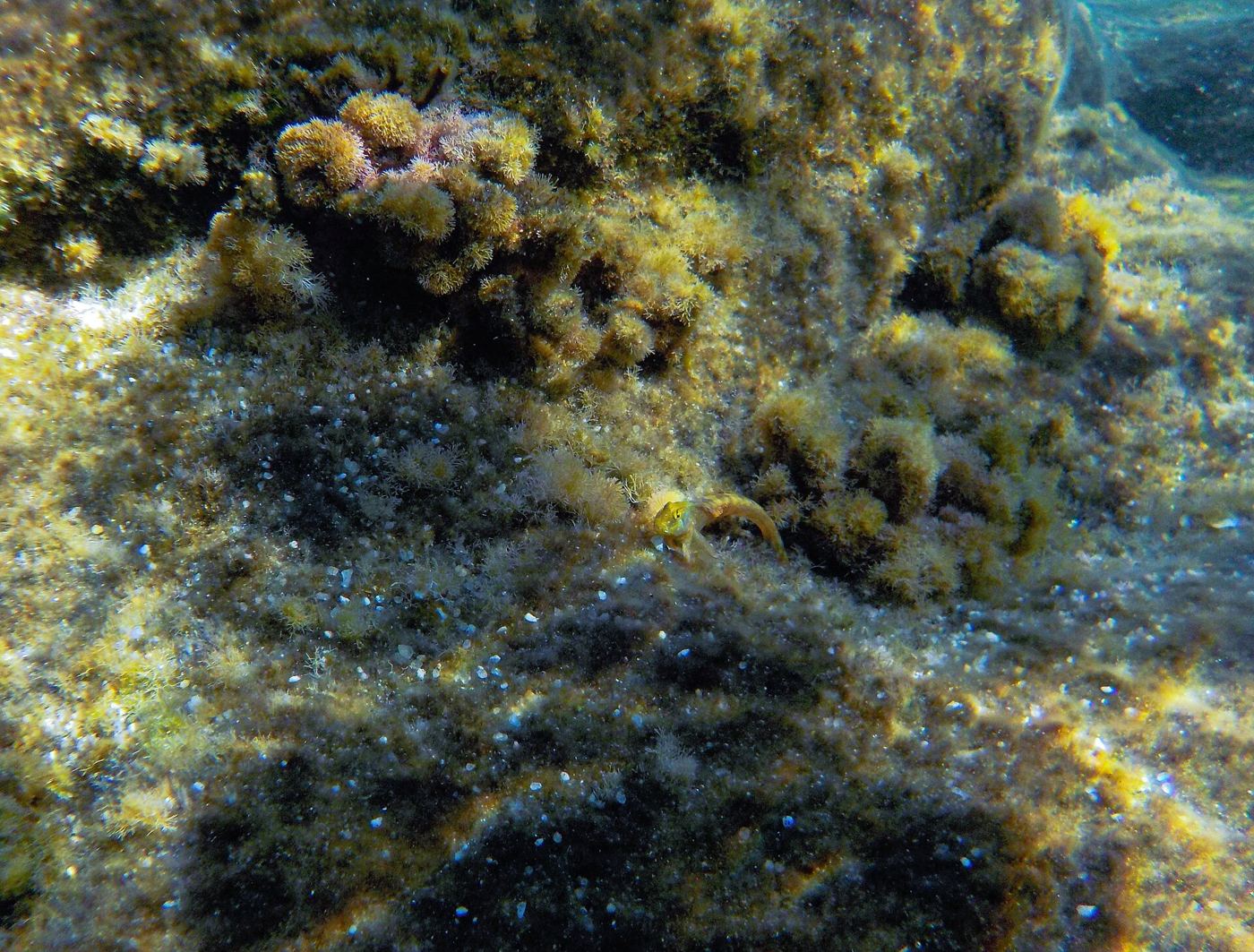
Thousands of metres below the surface, on the dark floor of the Pacific Ocean, lie potato-sized lumps of metal called polymetallic nodules. They contain nickel, cobalt, copper and manganese, metals used in electric vehicle batteries and renewable energy equipment, and mining companies want to collect them with machines that crawl across the seabed and pump the nodules to a ship above. Supporters argue that these metals are needed for the green energy transition, and that mining them from the ocean could avoid some of the deforestation, water use and social harm of land mining. Opponents argue that the deep ocean is one of the least understood places on Earth, home to slow-growing corals, sponges and species found nowhere else, and that mining would stir up sediment plumes, destroy habitat and cause damage that could last for centuries. The argument is now before the International Seabed Authority, the body that regulates mining in international waters.
What the Evidence Shows
The science is still catching up with the debate. Research expeditions have found that life on the abyssal plain recovers extremely slowly, and that tracks left by test mining decades ago are still visible on the seabed today. Noise, light and sediment from mining machines could affect animals far beyond the mined area, including whales and fish that pass through the water above. At the same time, demand for battery metals is rising, and some countries and companies are pressing for mining rules to be agreed quickly. Others, including a growing number of governments, banks and car makers, have called for a pause until the environmental risks are better understood. The decision will set a precedent for how humanity treats the last great wilderness on the planet, and whether the rush for clean energy minerals creates a new kind of damage in the deep sea. Whatever the outcome, it will shape how the world governs resources that belong to no single nation. Reporting and analysis from sources such as National Science Foundation track the same developments, and specialists following deep-sea mining debate say the direction is now consistent across independent lines of evidence.
The Wider Context
The wider context is a research landscape in which replication and open data now decide reputations. Findings connected to deep-sea mining debate are being checked by independent groups with shared datasets, and the teams involved publish their methods in full so rivals can test every step. That discipline is slower than a headline cycle, but it is why results in this area increasingly survive first contact with scrutiny.
What Happens Next
What happens next in the story of deep-sea mining debate will be decided by follow-up work already under way: larger samples, longer observation and instruments that have not yet come online. The researchers involved are unusually united on one point, that the current results justify the next investment of time and money. Readers will not have to wait long for the first tests of that claim. You can follow related developments in our coverage of science.
There is a practical lesson in all of this for readers deciding what to do today. Start with the verified facts, be wary of anyone promising certainty, and prefer reversible steps while the evidence is still developing. Circumstances differ by country, income and personal situation, so general guidance should always be weighed against your own context before you act on it in any significant or lasting way.