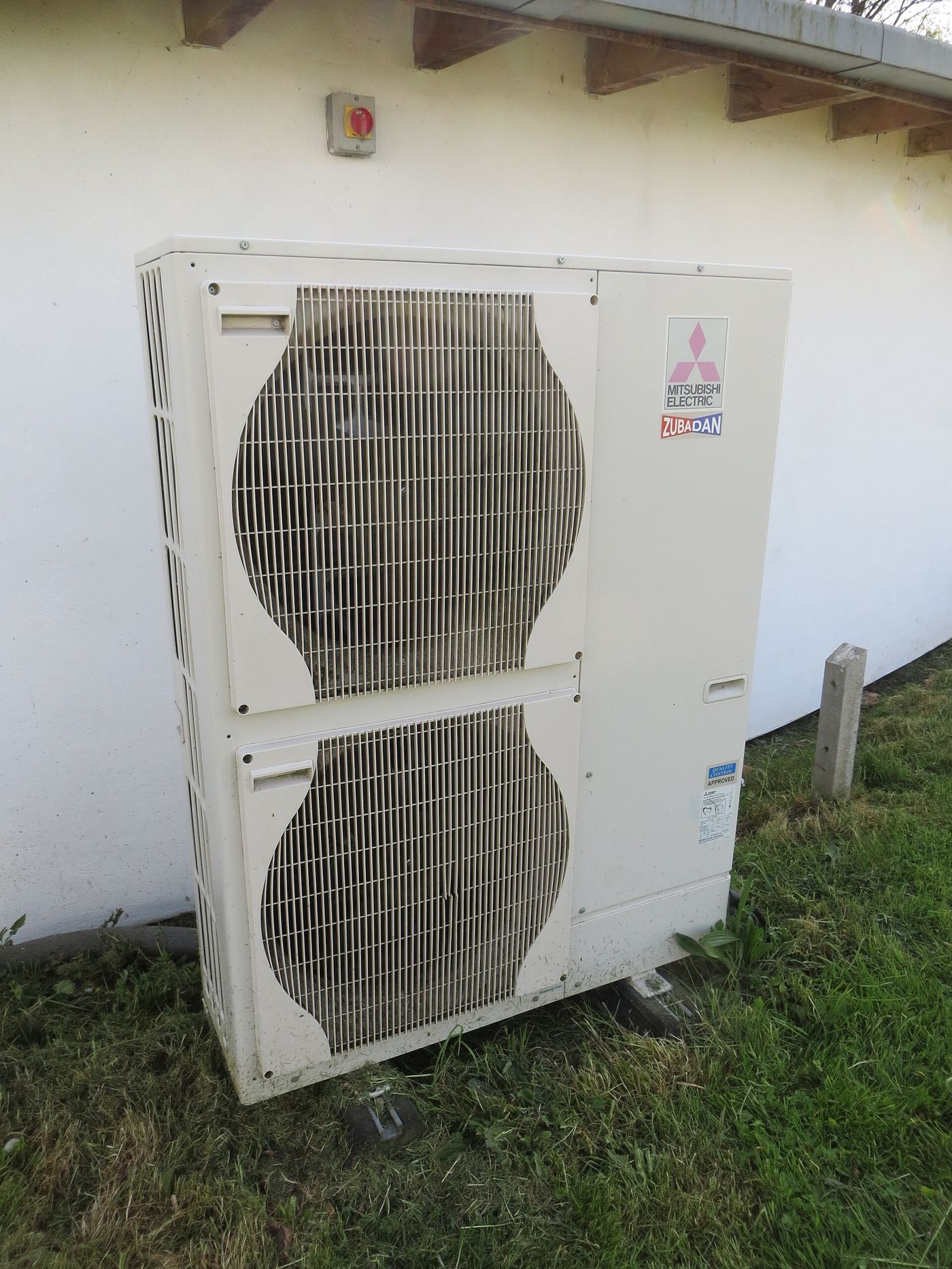
On the outside walls of more and more homes, a quiet box is doing the work once done by a gas boiler, drawing warmth from the air outside and using it to heat the house and its hot water. Heat pumps have become the most talked-about way to cut a home’s carbon emissions, since they run on electricity and can be powered by renewable energy, producing several units of heat for every unit of power they use. Homeowners who have made the switch say the house feels evenly warm, with no cold spots, and that the system is quiet and needs little attention. Yet the upfront cost remains high, and many homes need better insulation first, since a heat pump works best in a well-sealed house with large radiators or underfloor heating. Installers say demand is rising, with waiting lists growing as more households weigh up the switch.
What the Evidence Shows
Energy experts say the key is to get the design right, with a proper survey of the house, the right size of pump, and radiators that suit lower water temperatures. They suggest that grants and low-interest loans should make the switch affordable for ordinary households, not just those who can pay upfront. Some installers now offer hybrid systems, where the heat pump does most of the work and a boiler steps in on the coldest days, easing the change for older homes. They also warn that the installer matters as much as the machine, since a badly fitted pump can be noisy and expensive to run. For homeowners, the advice is to insulate first, compare quotes, and ask neighbours who have already switched. The hope is that the quiet box on the wall becomes as ordinary as the boiler it replaces. Reporting and analysis from sources such as BBC News track the same developments, and specialists following the quiet spread of heat pumps say the direction is now consistent across independent lines of evidence.
The Wider Context
The wider context is a public conversation conducted at a speed institutions were not built for. Developments around the quiet spread of heat pumps are announced, contested and revised within a single news cycle, and the officials involved have learned to publish evidence alongside claims so that scrutiny can actually occur. Trust, the polling suggests, follows that transparency more than it follows confidence.
What Happens Next
What happens next in the story of the quiet spread of heat pumps will be decided in the places where it is being implemented, measured and argued about in public. The officials and organisations involved have committed to publishing progress data, and that commitment gives residents, businesses and journalists something firmer than promises to judge. The next milestones are dated, which means they can be checked. You can follow related developments in our coverage of news.
None of this will be settled by a single announcement, study or product launch. The pattern to watch is accumulation: independent confirmations, honest reporting of failures and steady improvement in the underlying numbers. Readers who follow those signals, rather than the loudest claim of the week, will understand this subject better than most of the commentary surrounding it suggests is possible.