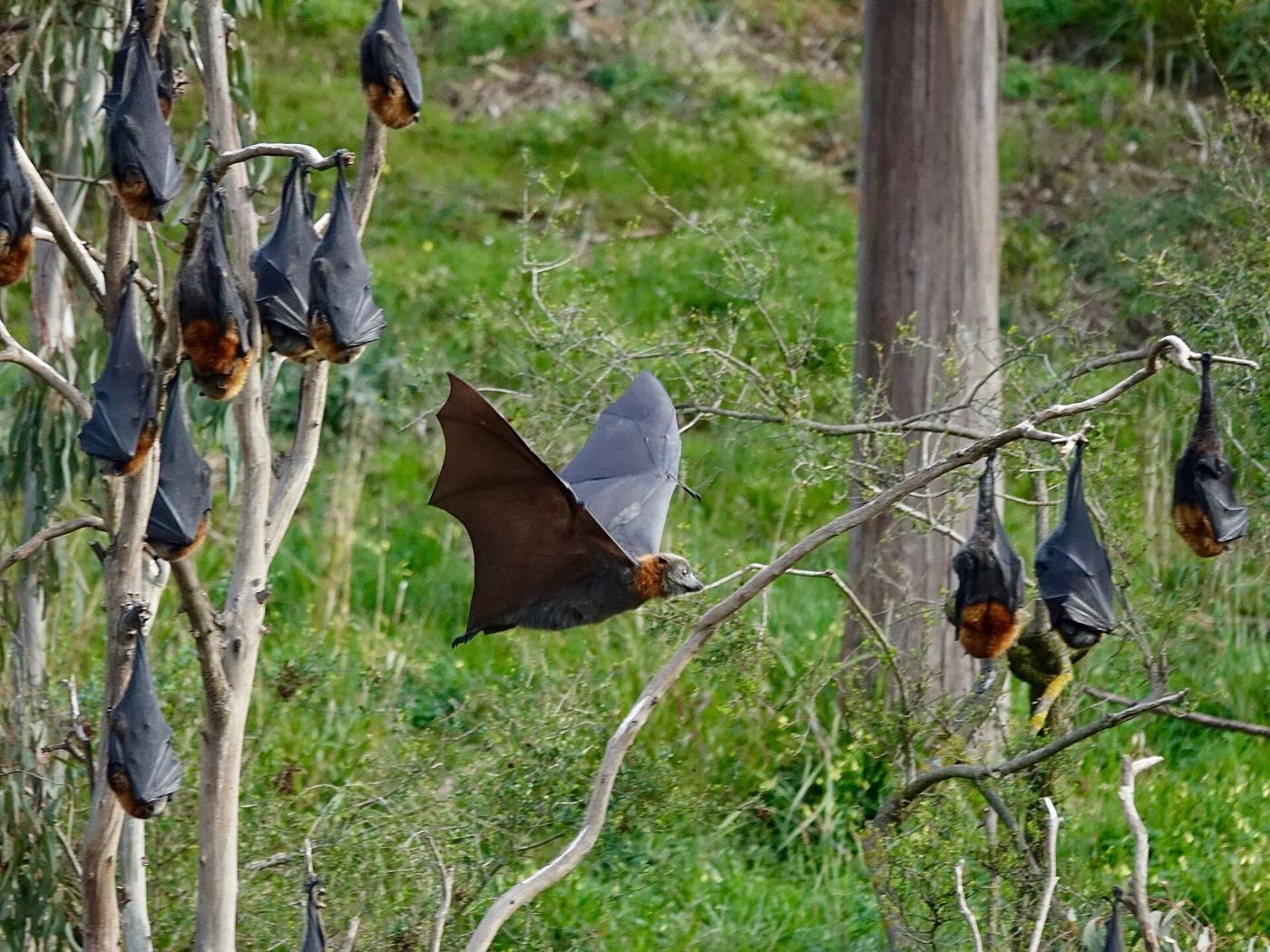
As dusk falls, bats pour out of caves, trees and old buildings, hunting insects in a darkness where eyes are nearly useless. They find their way by echolocation, calling out in sounds too high for human ears to hear and listening for the echoes that bounce back from walls, trees and flying insects. The time it takes for an echo to return tells the bat how far away an object is, and tiny changes in the echo reveal its size, shape and movement. A hunting bat can track a moth in mid-air, adjust its flight in a fraction of a second and scoop its prey into its wings or tail. Some bats produce more than a hundred calls a second as they close in on a target, a rapid burst that scientists call a feeding buzz.
What the Evidence Shows
Echolocation has made bats one of the most successful groups of mammals, with more than 1,400 species living on every continent except Antarctica. Fruit bats pollinate flowers and spread seeds, while insect-eating bats protect crops by eating tonnes of pests each night, saving farmers billions in lost harvests. Yet bats are under threat from habitat loss, wind turbines and a fungal disease called white-nose syndrome that has killed millions of bats in North America. Researchers are learning from their sonar too: engineers have borrowed ideas from bat hearing to design better navigation systems for robots and medical scanners that build pictures from sound. Protecting bats matters not only for the night sky, but for the farms and forests that depend on their nightly work. Reporting and analysis from sources such as NASA track the same developments, and specialists following the bats navigating the dark using sound say the direction is now consistent across independent lines of evidence.
The Wider Context
Funding bodies are watching the bats navigating the dark using sound closely because the work sits at the junction of basic curiosity and practical return. Grant panels increasingly ask for a path from discovery to application, while researchers push back that the most valuable uses of fundamental science are rarely the ones written into the original proposal. The tension is productive when both sides stay honest about timescales.
What Happens Next
The long view on the bats navigating the dark using sound is that fields advance by accumulation rather than by single announcements. This result adds a solid, checkable piece to a structure many teams are building, and its authors have shared their data so the piece can be tested from every side. That is how the picture eventually becomes reliable enough to act on. You can follow related developments in our coverage of science.
It is also worth remembering how quickly the picture in this area has changed before. Positions that looked settled a few years ago have been revised as new data arrived, and the same humility is appropriate now. The strongest coverage of this subject, and the most useful advice, tends to come from sources that update their views openly when the facts move, rather than defending an earlier position long after it has stopped fitting the evidence available.