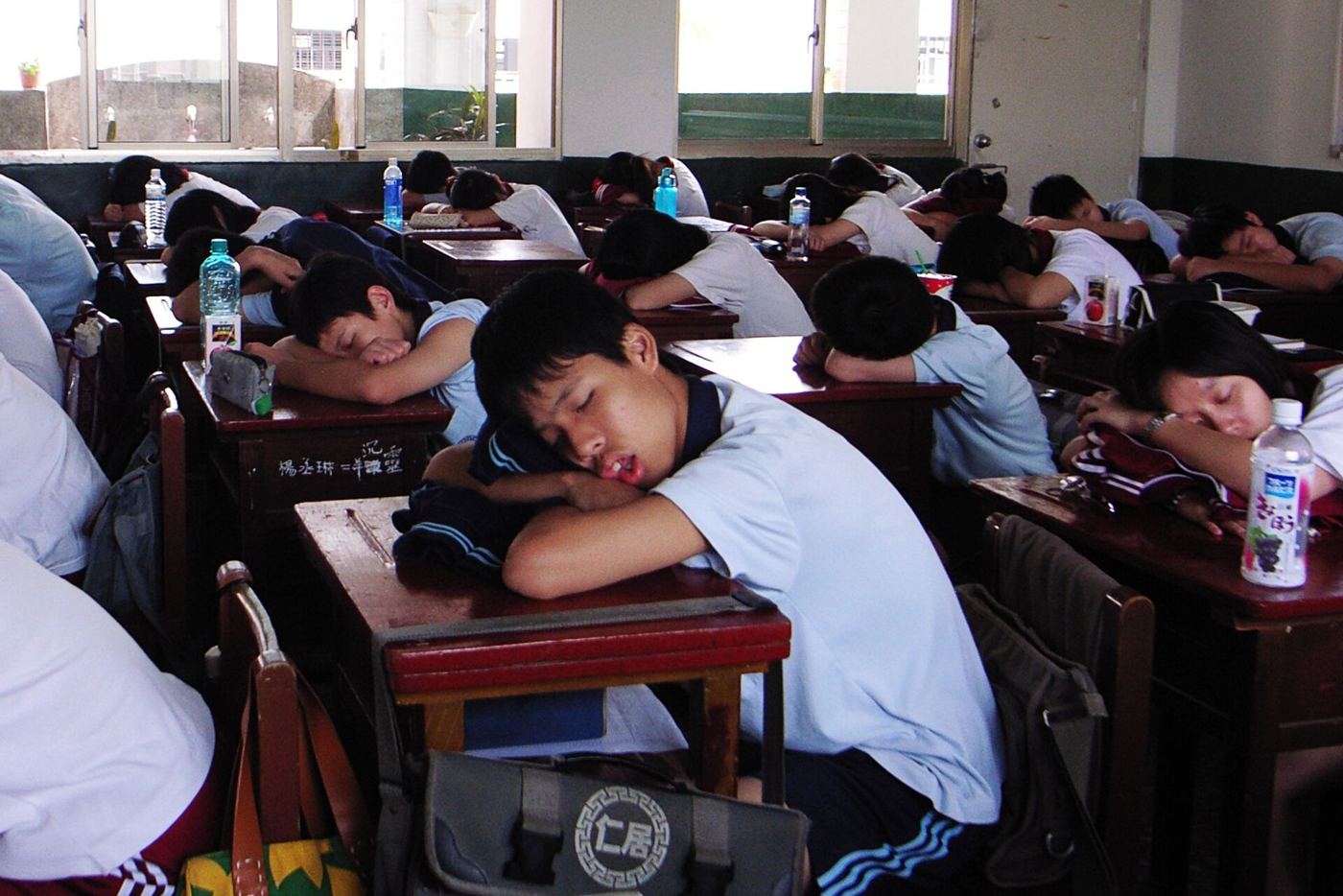
For many people the last hour of the day is spent scrolling, watching clips or answering messages in bed, and the mind arrives at sleep still busy with other people’s news, arguments and demands. A screen-free final hour is a gentle alternative that has become popular in wellbeing discussions: devices are put to charge outside the bedroom, and the hour is filled with slower activities instead. Reading a physical book, preparing clothes for tomorrow, talking with family, listening to music or taking a warm shower all give the evening a clear ending. The point is not to ban technology, which most people rely on all day, but to protect the transition into rest from its most stimulating form. Light, novelty and social comparison are exactly what a tired brain does not need at midnight. Starting with three or four nights a week makes the change realistic, and many households find it easier when everyone adopts the same rule at the same time. An alarm clock replaces the phone’s alarm, and a book by the bed replaces the feed. After a week or two, people often describe the same discovery: the evening feels longer, calmer and more their own.
What the Evidence Shows
The practical details decide whether the habit survives. Choosing a fixed switch-off time, telling friends and family that messages will be answered in the morning, and keeping chargers in the kitchen removes nightly negotiation. If work genuinely requires availability, exceptions can be defined narrowly, such as calls only, rather than abandoning the rule entirely. Boredom in the first evenings is normal and usually passes; it is often the first quiet moment in which the day’s thoughts can surface and settle, which is part of why sleep then comes more easily. Keeping a notebook nearby lets lingering tasks or ideas be written down instead of rehearsed. Couples and families frequently report better conversation in that final hour, simply because attention is no longer divided. The habit also reframes the phone itself. Used deliberately during the day, it becomes a tool again rather than the default companion for every pause. Protecting one hour is a small boundary, but its effects spill over: sleep becomes something the whole evening leads towards, rather than something squeezed in afterwards. Reporting and analysis from sources such as American Psychological Association track the same developments, and specialists following screen free final hour sleep say the direction is now consistent across independent lines of evidence.
The Wider Context
The wider context is a discipline rebuilding confidence through replication and pre-registration, and findings on screen free final hour sleep are being reported with their effect sizes and limits attached. That honesty can make results sound smaller than the headlines of a decade ago, but the effects that survive are the ones practitioners can responsibly build on.
What Happens Next
What happens next in research on screen free final hour sleep is a turn toward real-world trials: longer, larger and conducted in the schools, workplaces and clinics where the findings are meant to apply. Psychologists are also studying individual differences more seriously, because average effects conceal the people for whom an approach works powerfully and those it leaves cold. Both shifts make the science slower and more useful. You can follow related developments in our coverage of psychology.
There is a practical lesson in all of this for readers deciding what to do today. Start with the verified facts, be wary of anyone promising certainty, and prefer reversible steps while the evidence is still developing. Circumstances differ by country, income and personal situation, so general guidance should always be weighed against your own context before you act on it in any significant or lasting way.